 Lets Get Started


Experience
We have over 40 years experience in the waterproofing industry.
Fully Qualified
We are fully qualified CSSW and CRDS surveyors.
Solutions
We have a wide range of solutions to suit any project.

We have over 40 years experience in the waterproofing industry.
We are fully qualified CSSW and CRDS surveyors.
We have a wide range of solutions to suit any project.
The BSI Standard BS8102:2022 is the code of practice for the protection of below ground structures against water from the ground. This defines three types of waterproofing products, type A, B & C. Any of these or a combination of two or more may be specified in a structural waterproofing project.
If your project requires waterproofing advice, our fully qualified surveyors with over 40 years experience provide a full independent survey looking at designs and specifications of installations concerning all aspects of structural water proofing.
Our detailed specifications will recommend the correct solution to solve any issues related to the ingress of moisture, vapir and various gases, the options available include:
A combined or dual form of waterproofing uses two separate forms of protection. These systems are advocated by many third party insurers where a single system is deemed to be a high risk following an assessment.
If the assessment identifies that the consequences of failure to achieve the required internal waterproof environment are not acceptable for the intended use, if any repair or maintenance would be required is not accessible or it would not be possible to perform any additional vapour checks. This would be deemed as high risk.
Combined forms of waterproofing comprise and external barrier system or an integral barrier system along with an internal barrier or cavity drain. The combination of these ensures that the structure has a primary resistance to any water ingress. The internal waterproofing system then provides a second form of defence.
Combined systems are regarded as one of the reliable and robust forms of basement waterproofing.
External waterproofing acts as a physical barrier to the ingress of water normally using a fully bonded sheet membrane, liquid applied coatings, cementitious waterproof coatings and crystallisation slurries.
This type of system can be used for the following applications, our surveyors will assess if your project needs external waterproofing.
Internal waterproofing is used as either a water management system or a physical barrier that is bonded to the substrate. These include cavity drain membranes, liquid applied coatings, cementitious waterproof coatings and crystallisation slurries.
This type of system can be used for the following applications, our surveyors will assess if your project needs internal waterproofing.
Modified concrete becomes a primary barrier to the ingress of water. This can be used on its own or alongside a fully bonded sheet membrane, cavity drain membrane or barrier coating.
This type of system can be used for the following applications, our surveyors will assess if your project needs watertight concrete.
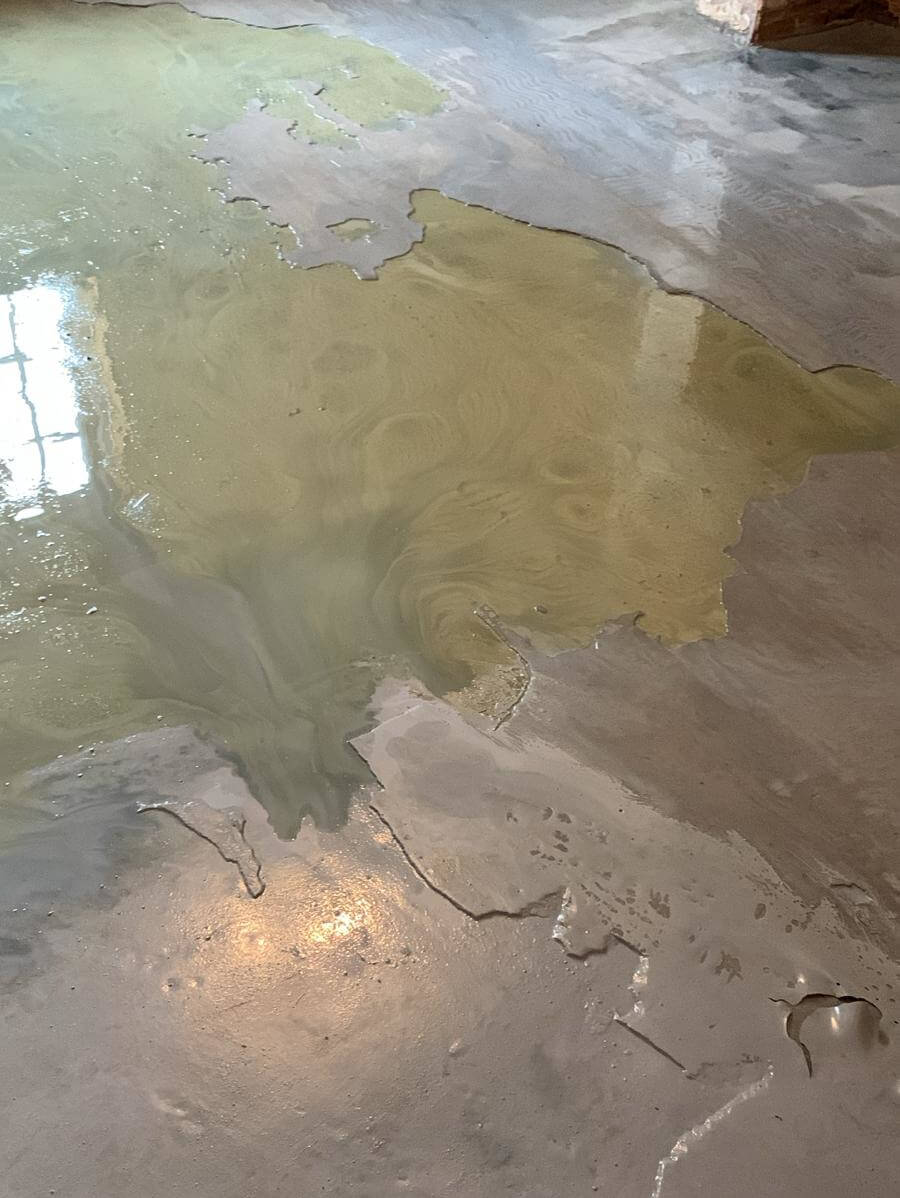
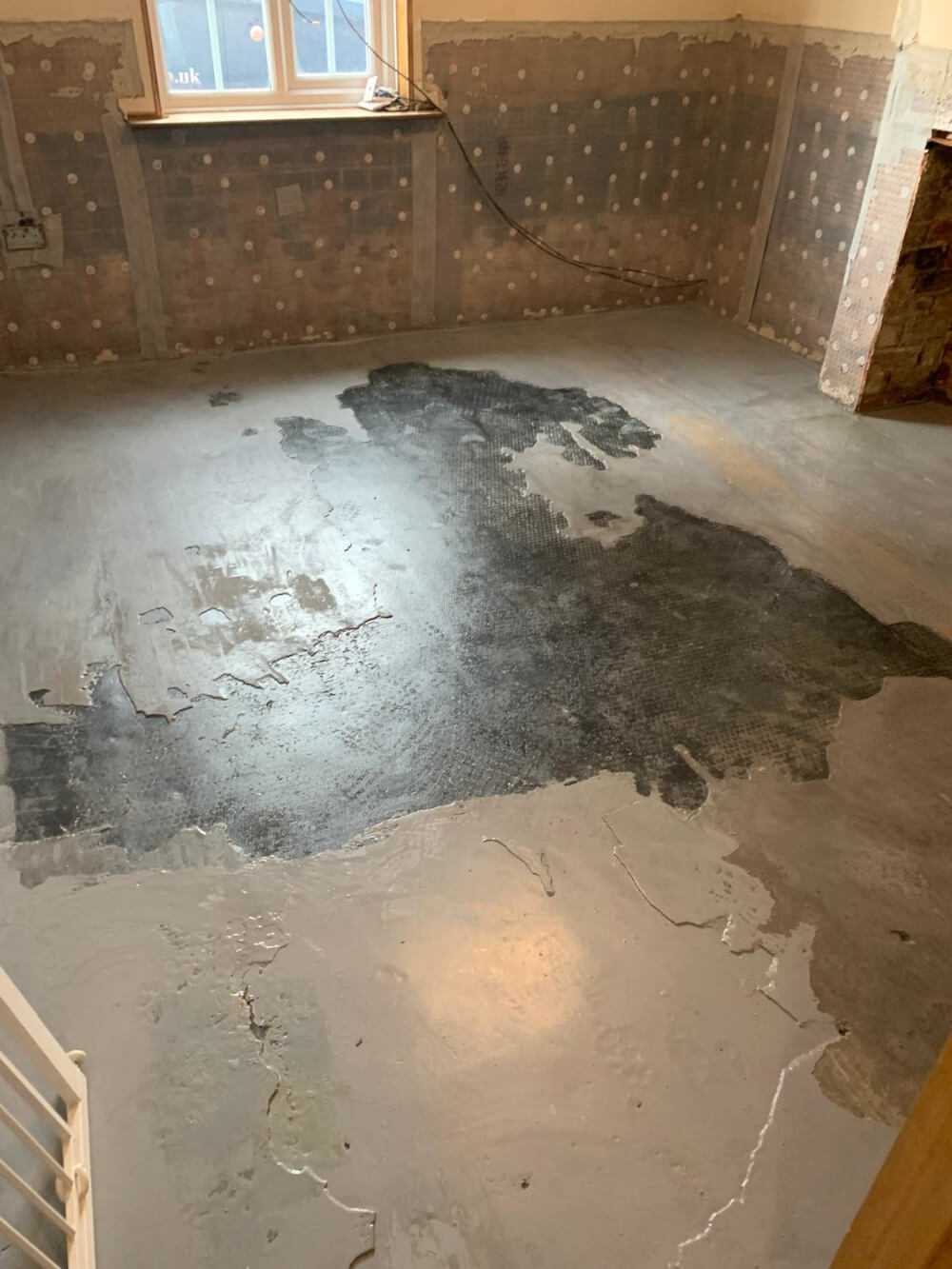
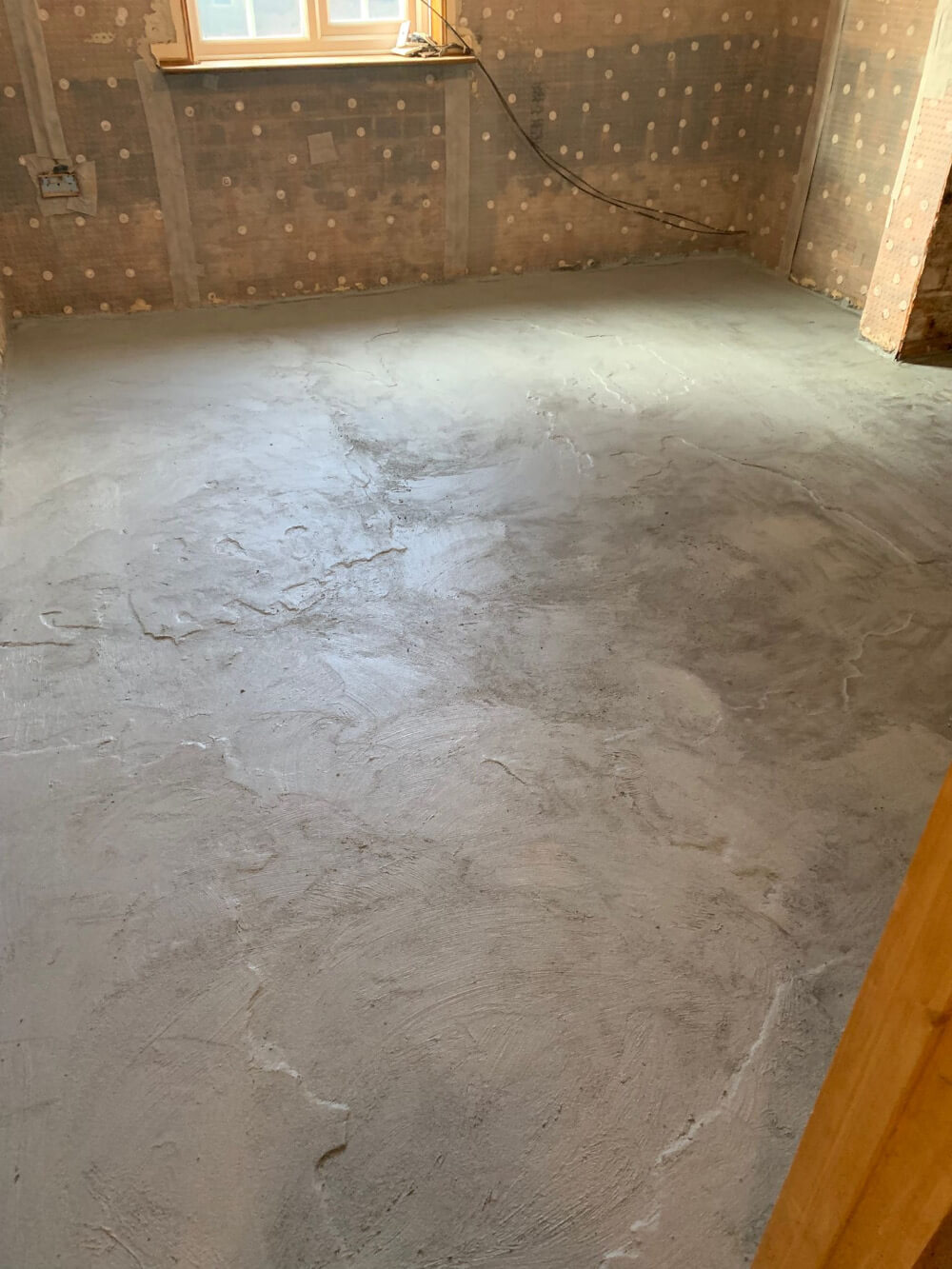
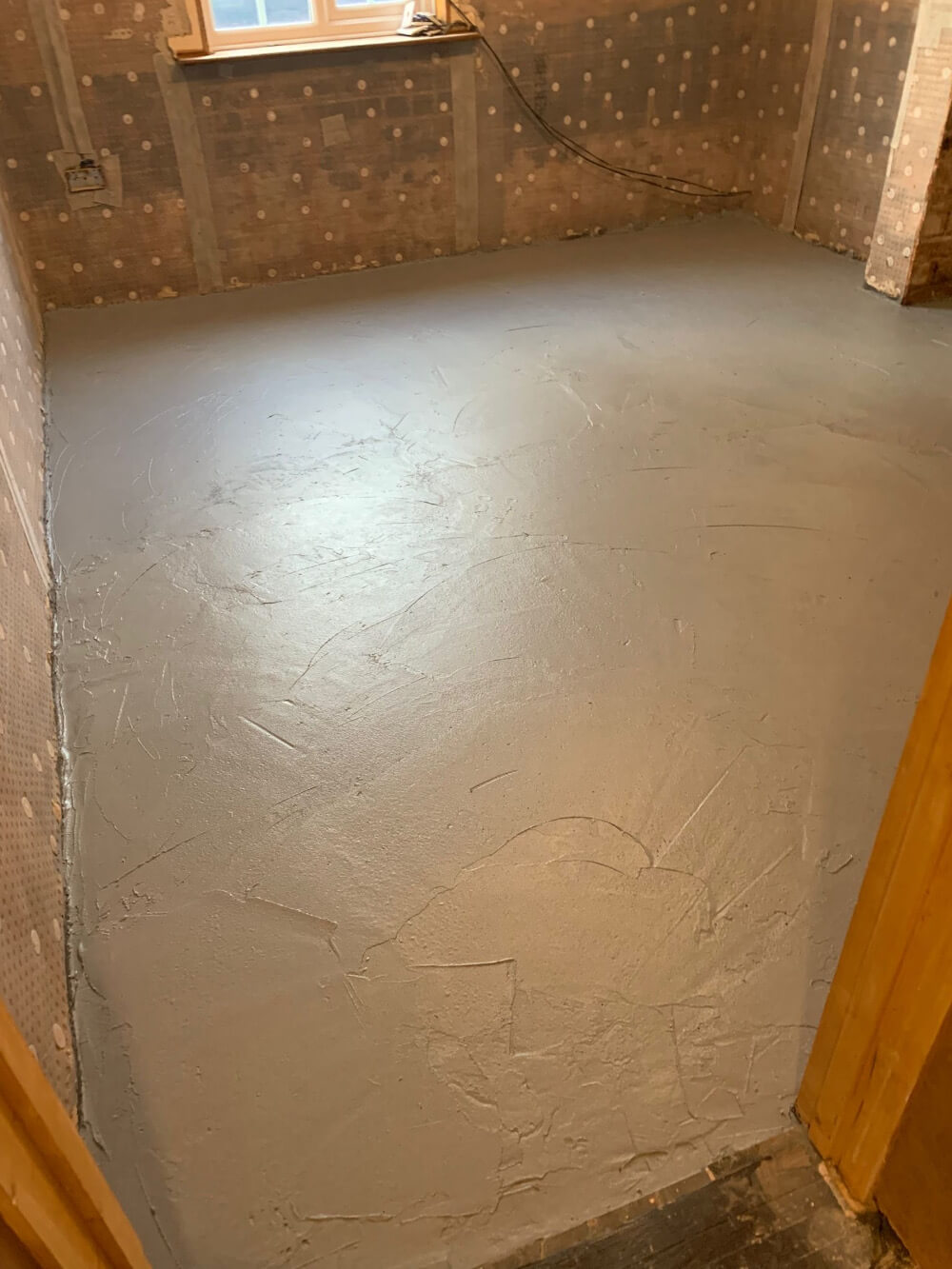
Before and after images of a contaminated floor which a two part epoxy coating reacted to. MB2K was applied in scratch and top coat prior to breathable self leveller on top.
Click or tap an image to view full size gallery

We have put together a list of useful links to help with understanding the regulations and standards around basement waterproofing.
©2023 Basement Waterproofing Consultants Ltd. All Rights Reserved | Made by JKE Web Design
